Excavator Rentals: Best Practices and Tips from Wasatch Equipment
Published on March 10, 2026
Introduction to Excavator Rentals
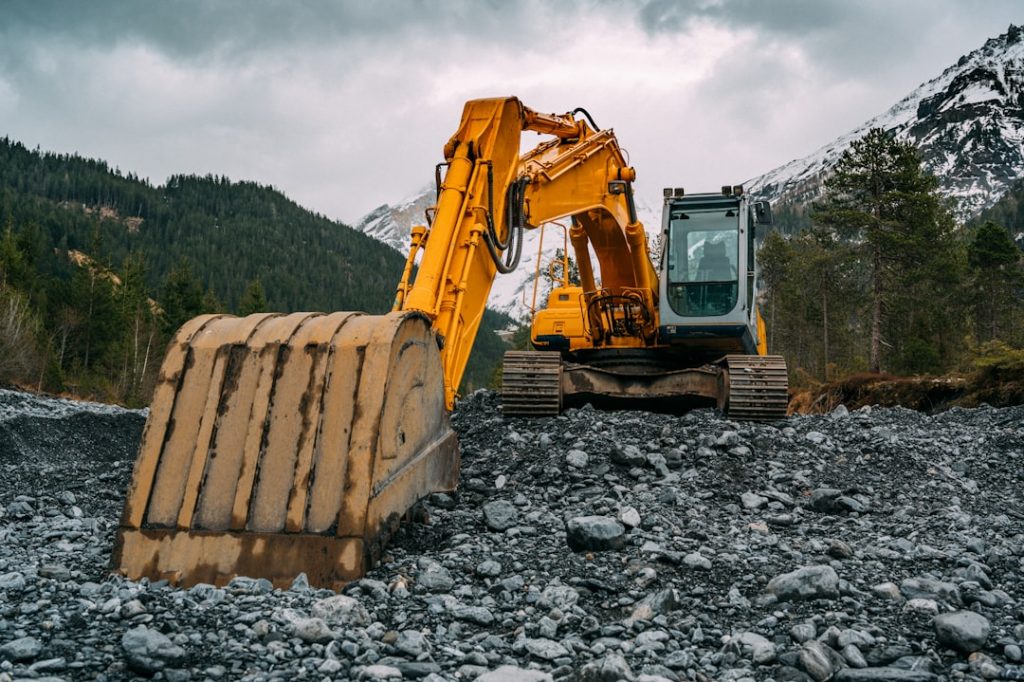
At Wasatch Equipment Rental, we understand that renting an excavator can be a significant investment for your project. Whether you’re a contractor or a DIY enthusiast, choosing the right excavator and knowing how to use it effectively can make all the difference. In this blog post, we will explore our approach to excavator rentals, provide valuable tips, and share best practices to help you get the most out of your rental experience.
Understanding Your Project Needs
Before renting an excavator, it’s crucial to assess your project’s specific needs. Here are some factors to consider:
- Project Size: Determine the scale of your project. Smaller jobs may only require a compact excavator, while larger operations might need a full-sized model.
- Terrain Type: Analyze the terrain where the excavator will operate. For instance, a rubber-tracked excavator is ideal for soft ground, while a wheeled model works better on hard surfaces.
- Depth Requirements: Consider how deep you need to excavate. Different excavators have varying reach and digging depths.
Choosing the Right Excavator
Once you understand your project needs, it’s time to select the right excavator. At Wasatch Equipment Rental, our team is always ready to assist you in making the right choice. Here are some tips:
- Consult with Experts: Don’t hesitate to ask our knowledgeable staff for recommendations based on your project specifics. They can suggest the best models and attachments for optimal performance.
- Check Specifications: Review the specifications of each excavator. Pay attention to the operating weight, engine power, and hydraulic flow rates to ensure you select one that meets your demands.
Best Practices for Operating an Excavator
Once you’ve rented an excavator, proper operation is key to efficiency and safety. Here are some best practices to follow:
- Read the Manual: Familiarize yourself with the operator’s manual before starting the machine. Understanding controls, safety features, and maintenance tips is crucial for safe operation.
- Perform a Pre-Operation Check: Always inspect the excavator for any visible damage, check fluid levels, and ensure all safety devices are operational.
- Use Proper Techniques: Employ correct digging techniques. For instance, use the bucket to scoop rather than drag to prevent unnecessary wear and tear.
- Adhere to Safety Guidelines: Always wear appropriate personal protective equipment (PPE) and ensure your worksite is clear of unnecessary personnel.
Returning the Excavator
After completing your project, returning the excavator in good condition is essential to avoid extra charges. Here are some final tips:
- Clean the Equipment: Remove any debris or material from the excavator before returning it. This not only helps maintain the equipment but also ensures you won’t incur cleaning fees.
- Report Any Issues: If you noticed any issues while using the excavator, report them to our team. Transparency helps us maintain our fleet and improves the rental experience for future customers.
Conclusion
Renting an excavator can be a straightforward process if you take the time to determine your project needs, choose the right equipment, and follow best operating practices. At Wasatch Equipment Rental, we’re committed to providing you with the best tools and support for your project. For more information on our excavator rental options or to speak with a rental specialist, contact us today!